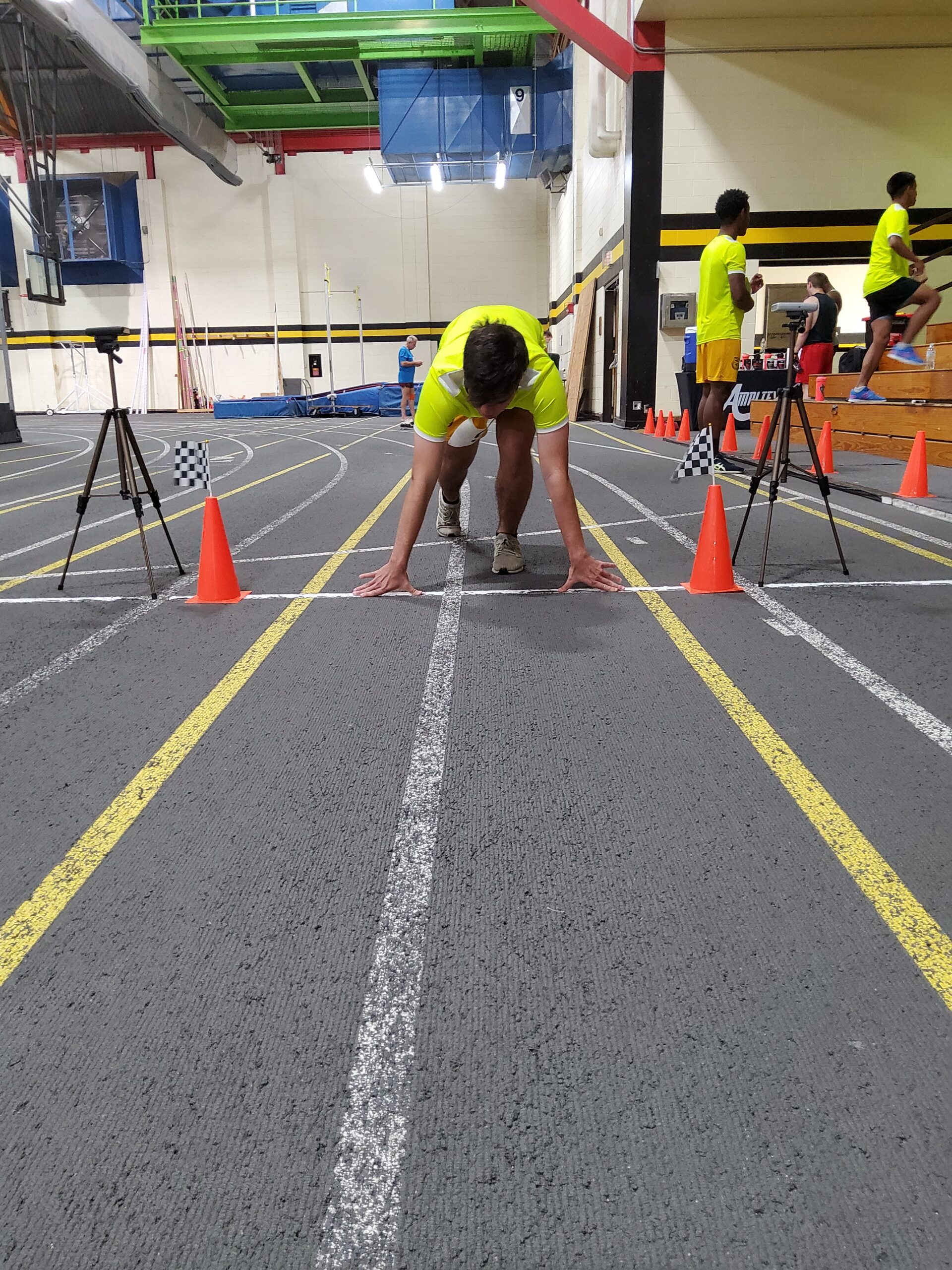
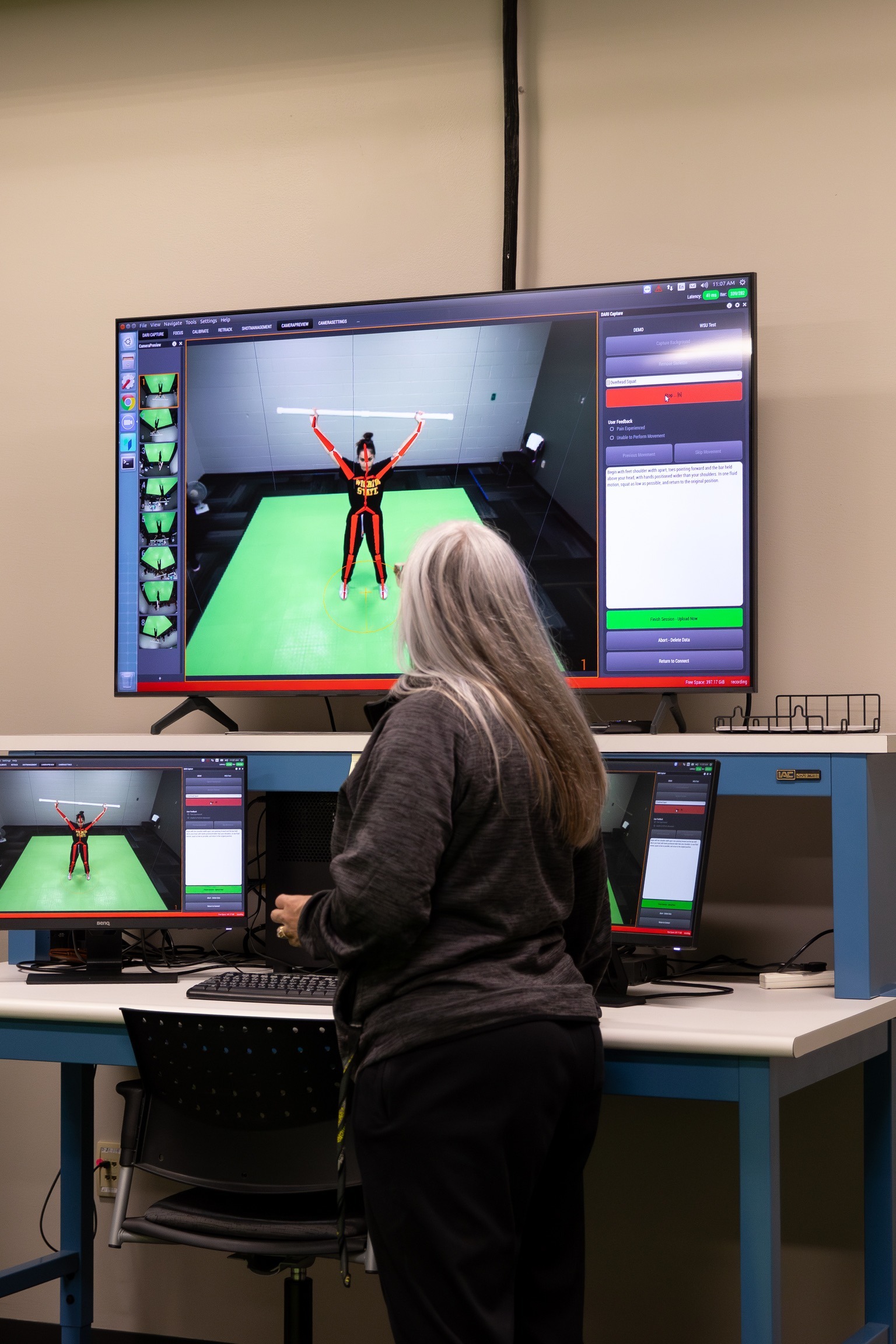
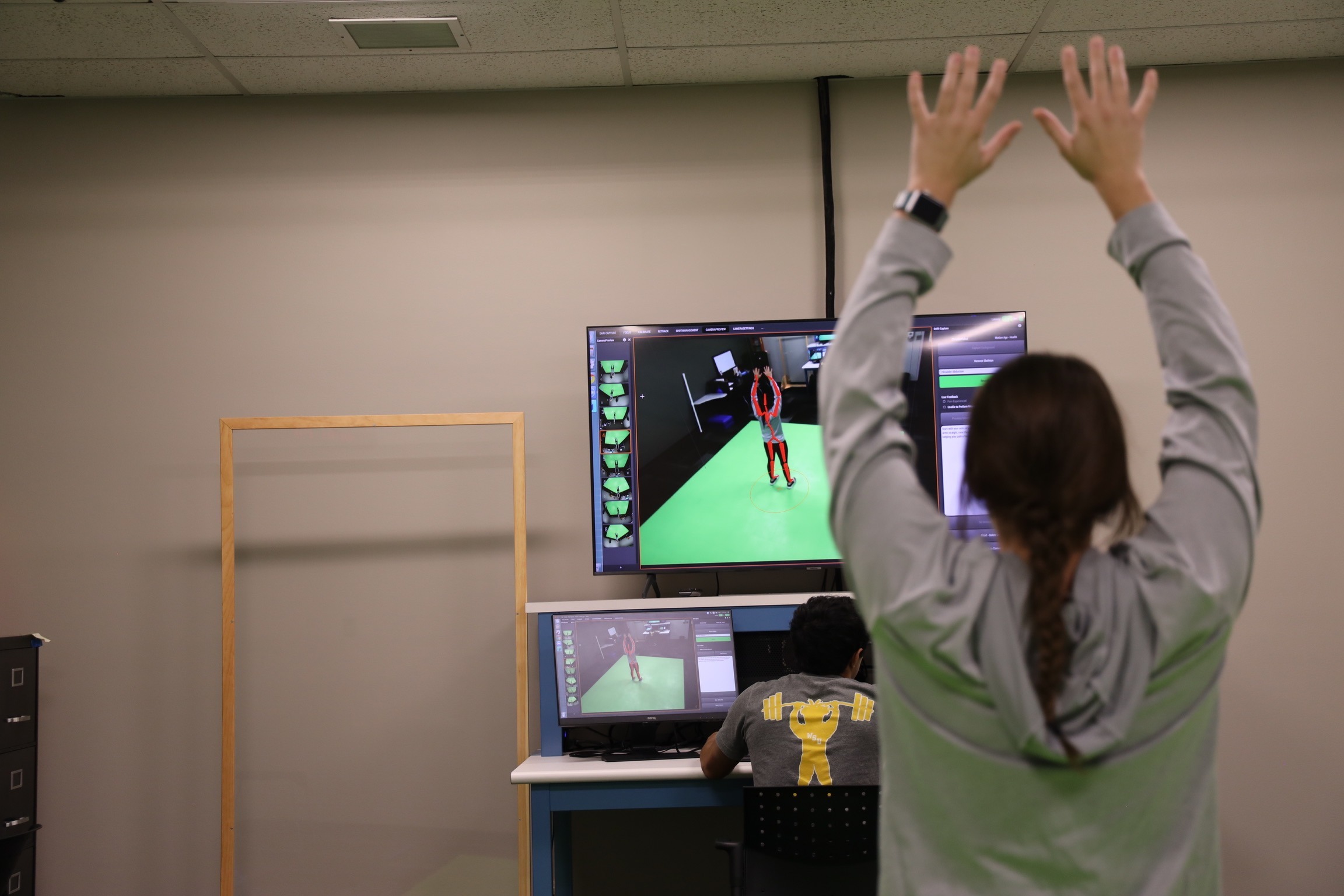
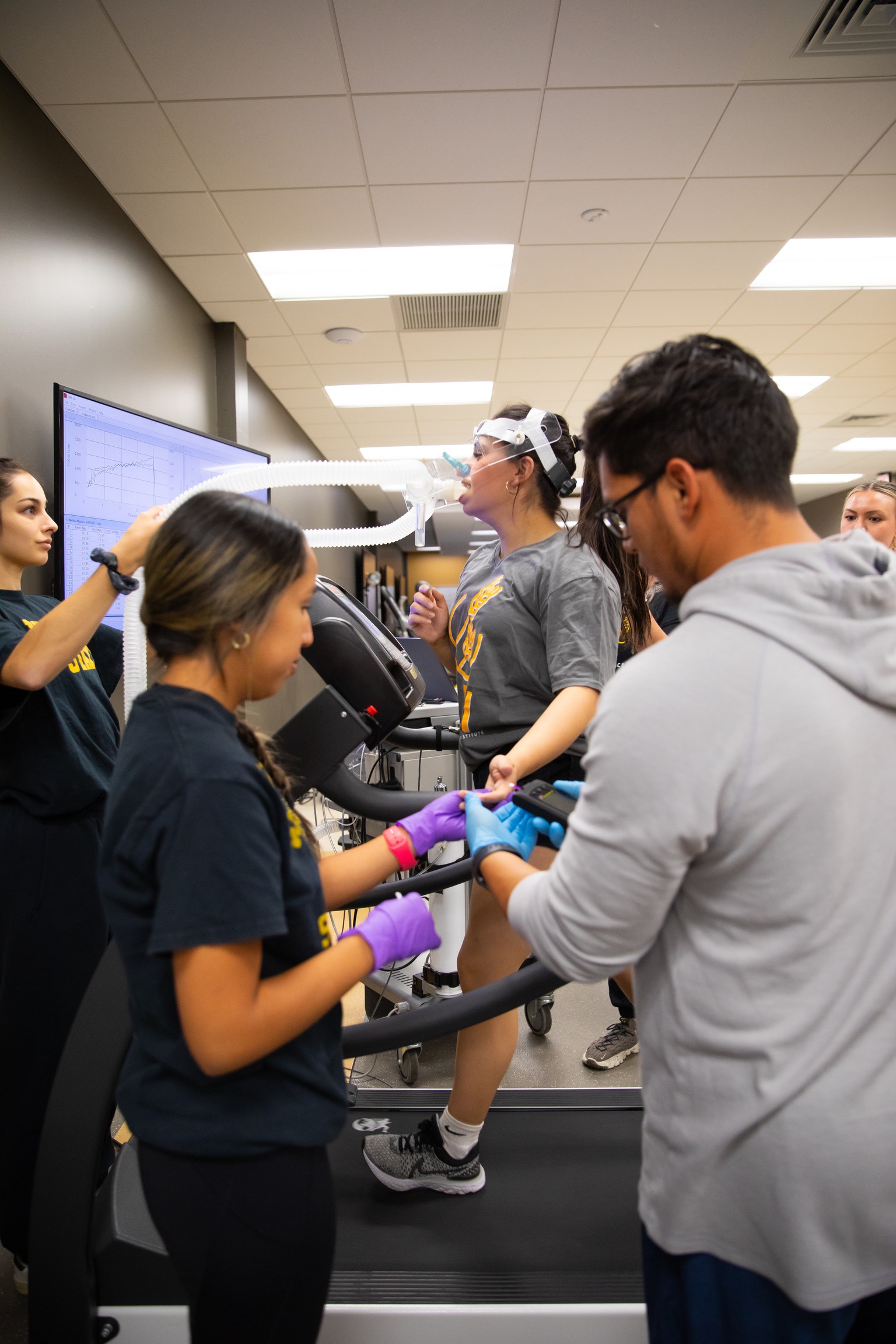
By analyzing an individual's movement patterns, the assessment can identify areas for improvement and provide feedback on technique and form. This can be particularly useful for athletes looking to improve their running mechanics or reduce their race times. DARI assessment can also be used to track an individual's progress over time, by comparing their movement patterns before and after an intervention. This can help evaluate the effectiveness of treatment plans or training programs, and make adjustments as needed. Finally, DARI assessment is non-invasive and can be completed quickly, with minimal discomfort or risk to the individual. The technology is also highly accurate, providing detailed metrics on an individual's movement patterns that may not be visible to the naked eye. Overall, the benefits of DARI assessment include injury prevention, performance optimization, progress tracking, and minimal risk to the individual. It has become a valuable tool for athletes, coaches, and healthcare professionals alike, and is helping to improve movement quality and reduce the risk of injury.